🍴 Albanian cuisine
Albanian cooking sits where the Mediterranean, the Balkans and five centuries of Ottoman rule meet. It leans on olive oil, vegetables, dairy and wild herbs, with meat in smaller quantities than visitors expect. It is a cuisine of the season and the region rather than of restaurants.
The foundation
Olive oil comes mostly from the south — Vlora, Berat and the Riviera. Dairy is everywhere: thick kos yoghurt, gjizë curd cheese, white sheep’s cheese and kaçkavall. Cornbread and hand-stretched pastry are the backbone of village cooking.
Dishes worth ordering
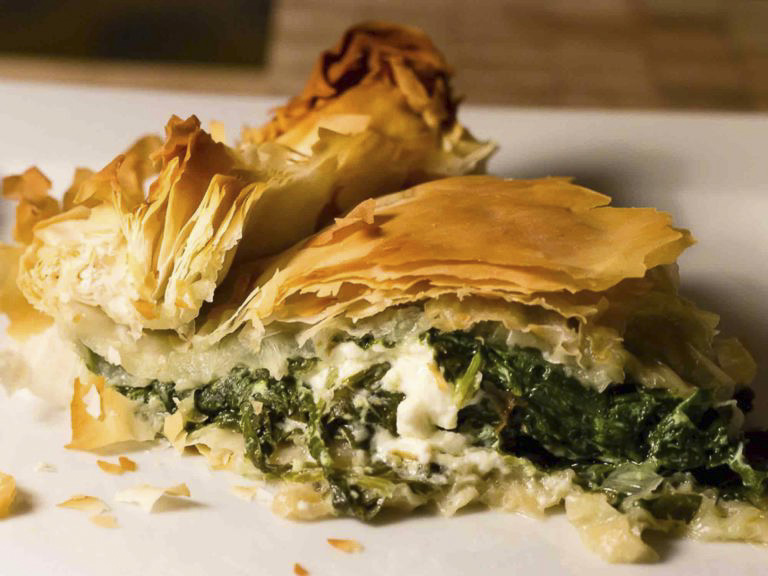
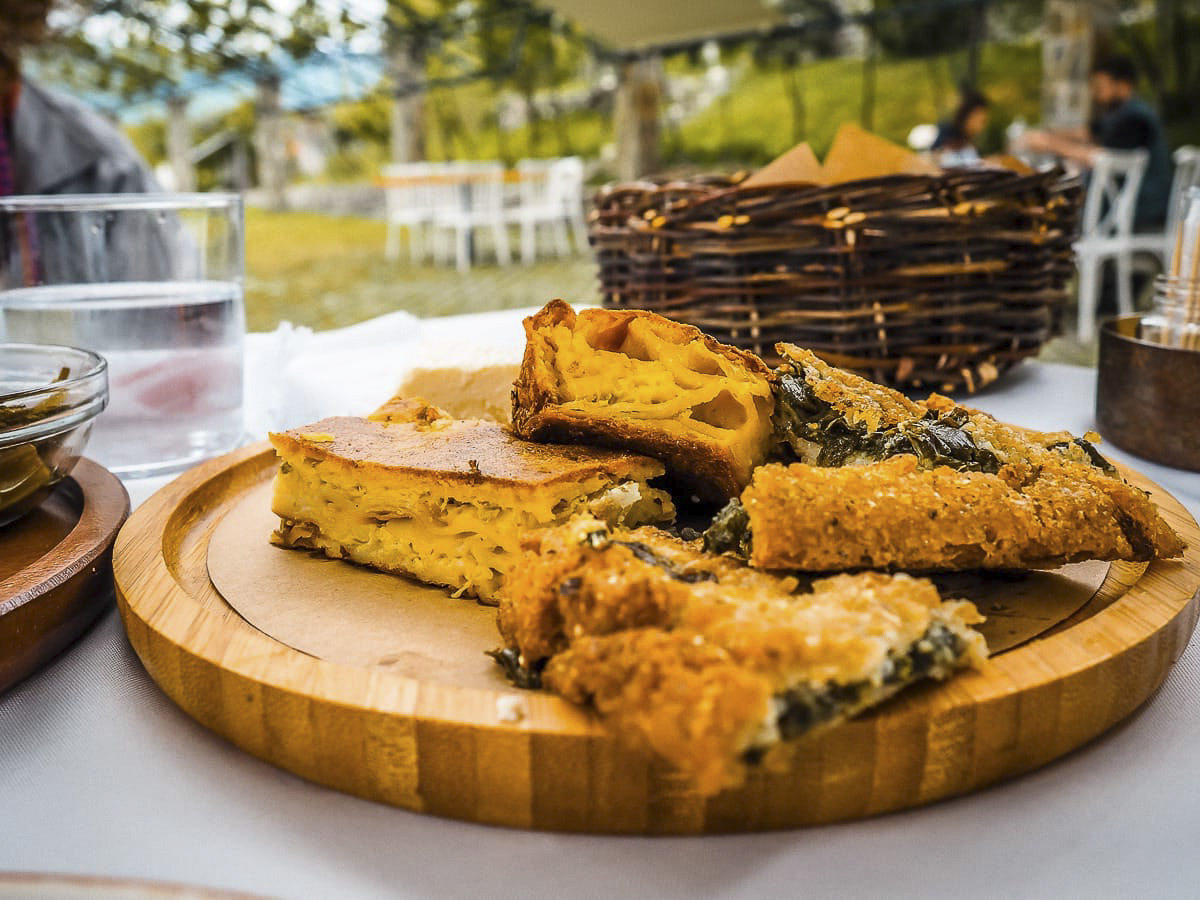
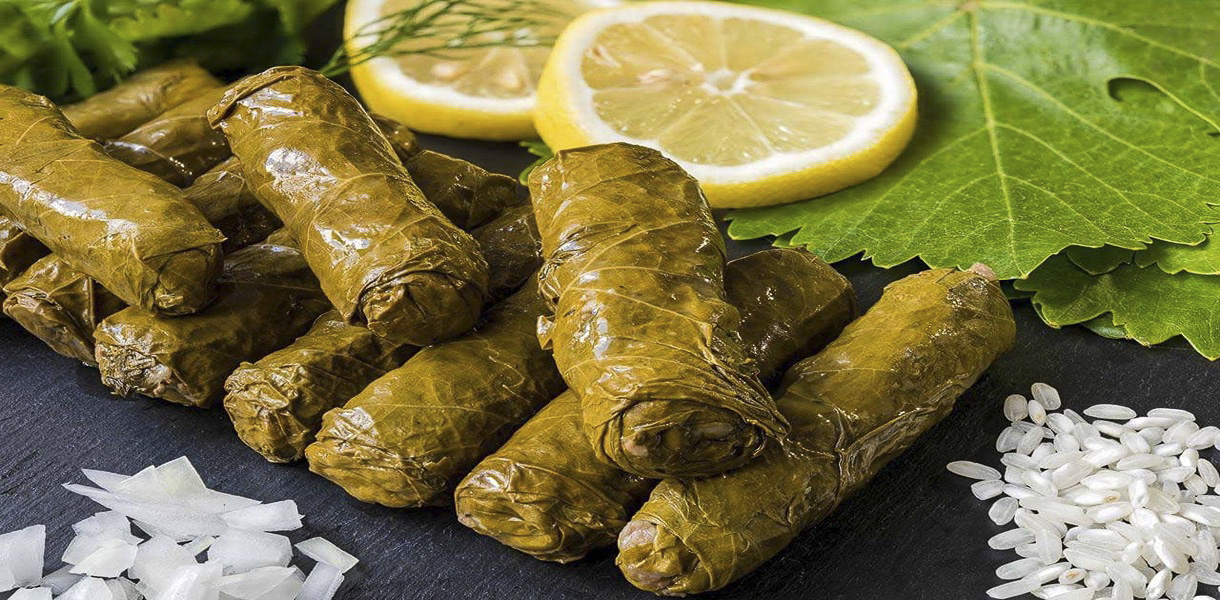
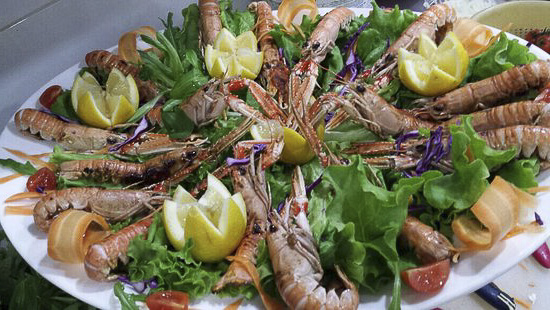
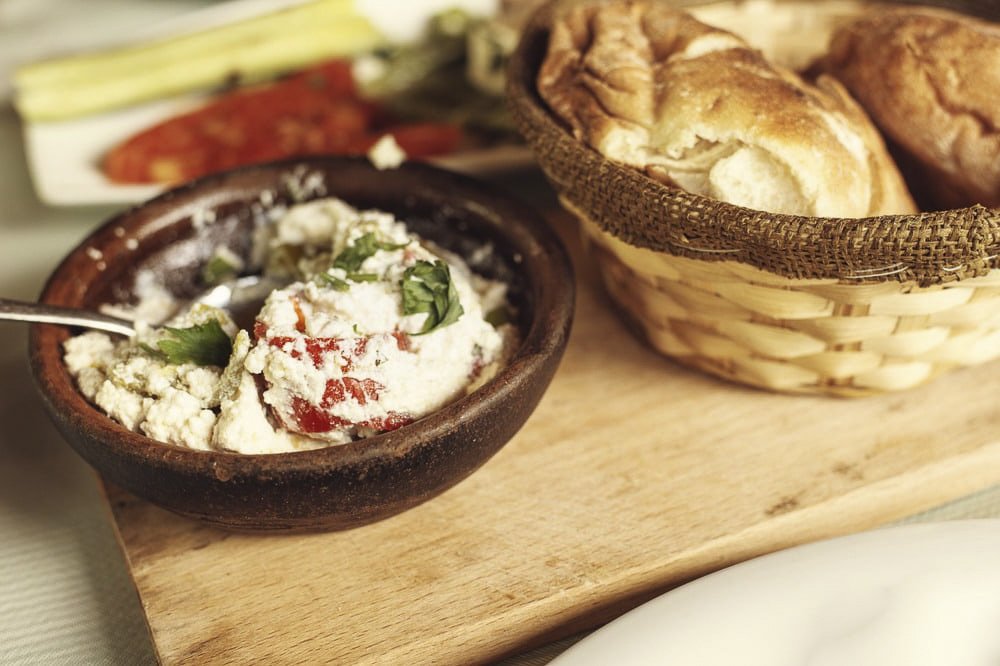
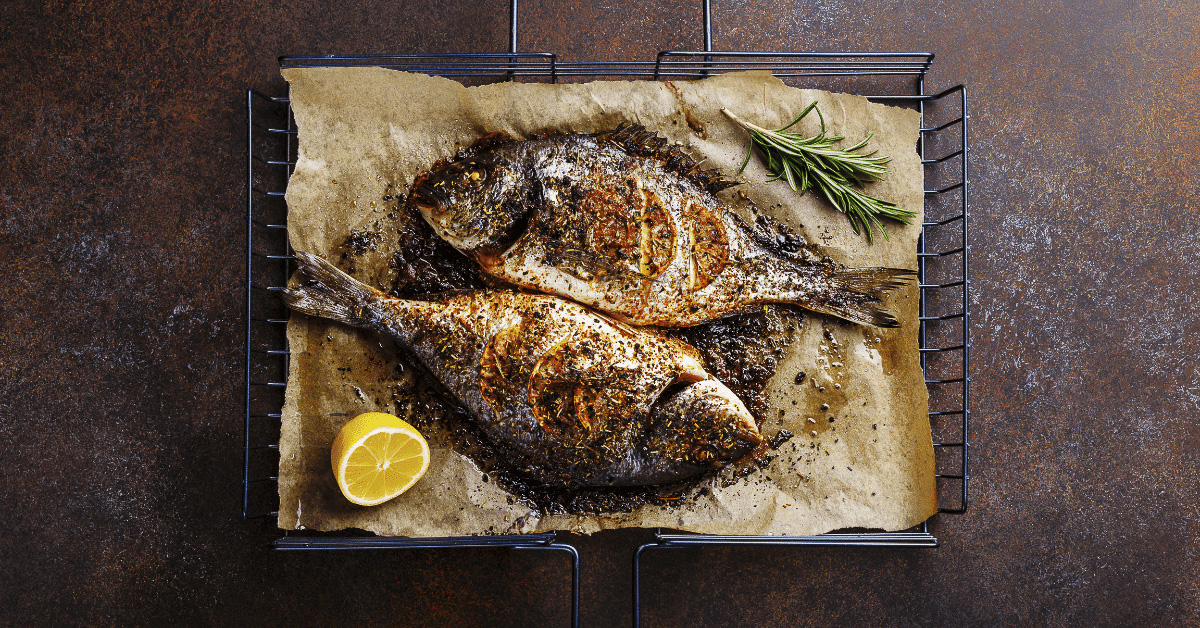
Tavë kosi — lamb and rice baked under a yoghurt-and-egg crust, the country’s best-known dish. Byrek with spinach, curd or leek, made with paper-thin hand-rolled pastry. Fërgesë from Tirana, with peppers, tomato and curd cheese. Japrak, stuffed vine leaves. On the coast: grilled fish, mussels from Butrint and cold tarator in summer.
What changes by region
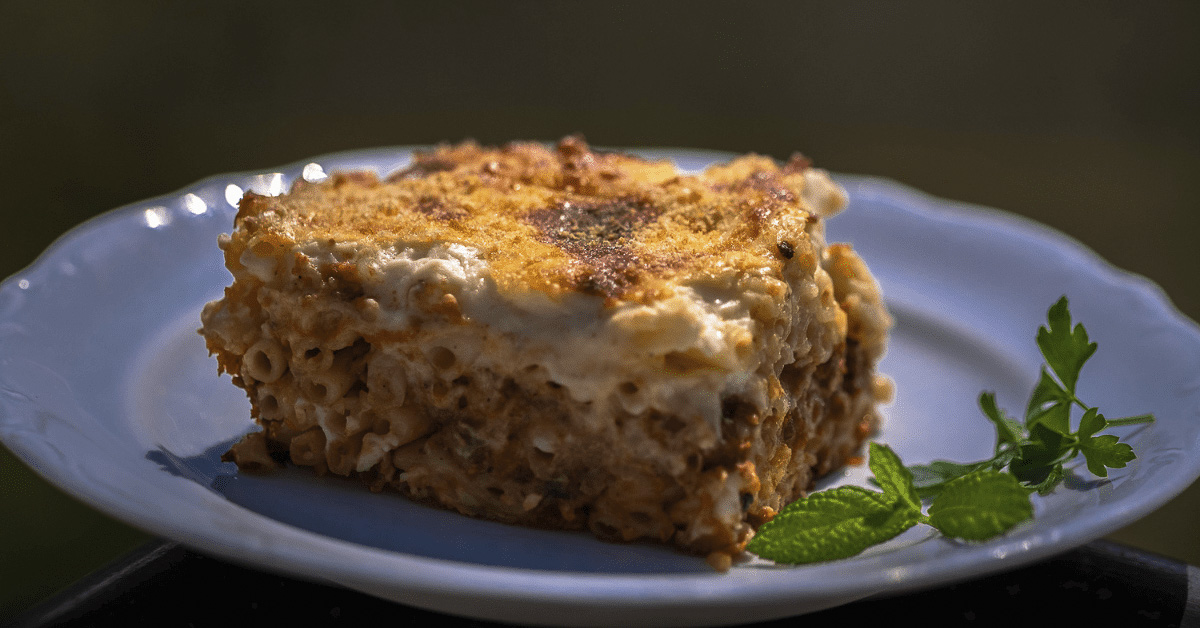
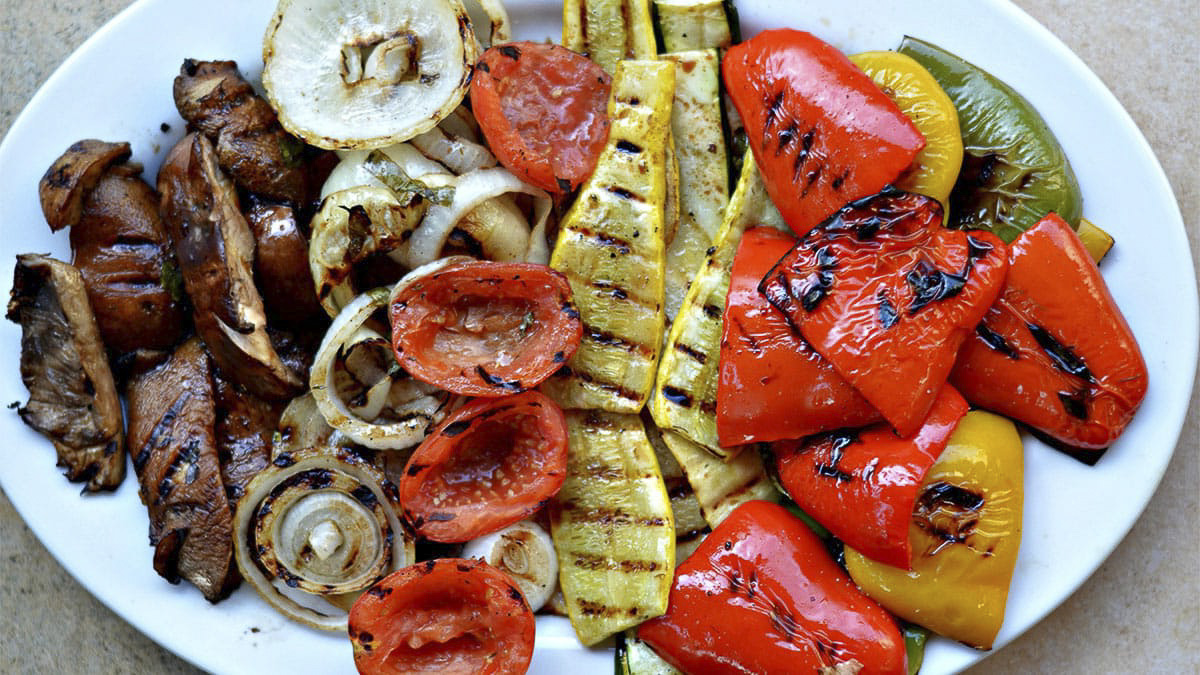
The mountainous north — Shkodra, Tropoja, Dukagjin — works with meat, dairy and hand-stretched pastry; fli is cooked for hours, layer by layer over embers. The south is lighter and more Mediterranean: vegetables, olives, fish. Korça has its own lakror pie and its own beer, Berat its pulë me përshesh, and Elbasan gave its name to the best-known baked dish of all.
Raki and wine
Raki is drunk before the meal, with meze, never as a shot. Home-distilled grape or mulberry raki is a point of family pride and is often better than anything sold in shops. Winemaking here goes back to Illyrian times; the indigenous varieties are the interesting ones: kallmet from Lezha, shesh i zi and shesh i bardhë from around Tirana, debinë from Përmet.
Coffee
Albania has one of the highest numbers of cafés per head in Europe. Coffee is not a drink so much as how the day is structured: one makiato can last an hour. Do not be surprised to find cafés full at midday on a working Tuesday.
Practical
Lunch in a simple restaurant costs 600–1,200 lekë, dinner with wine 1,500–2,500. Bread and olives arrive automatically and are normal. Dishes come as they are ready rather than in courses — eating is communal, from the middle of the table.
The market is where the season shows. In summer the tomatoes, peppers and figs bear no resemblance to supermarket produce, and they cost less.